Busting the Myths and Getting Started Anywhere
I was talking with a friend the other day when the subject of homesteading came up. She told me that homesteading had always been a dream for her and her husband, but sadly, it just wasn’t in the cards for them. Honestly, I was a little surprised. How could someone who dreamed of this lifestyle feel like it was completely out of reach?
As we talked, she began listing all the reasons they couldn't be homesteaders. They didn't own land. They couldn't keep animals where they lived. The economy was too unpredictable, and money was too tight. The list went on and on.
As I listened, I realized something: there are some pretty big myths about homesteading that keep people from even trying. Somewhere along the way, we started associating homesteading with acres of land, a big farmhouse, a barn full of animals, and a garden large enough to feed an army. While that picture is lovely (and maybe a little dreamy!), it isn't the only way to live a homesteading lifestyle.
The meaning of homesteading has changed quite a bit over the years. Historically, American homesteading was closely tied to the Homestead Act of 1862, which allowed eligible settlers to claim parcels of public land if they met certain requirements, including living on and improving the land. For many people, that meant building a home, cultivating crops, and establishing a life on the land.
Today, homesteading has taken on a much broader meaning. For many of us, it is less about where we live and more about how we choose to live. It's about becoming more self-sufficient, learning practical skills, using what we have, wasting less, and relying a little less on the systems around us.
And the best part? You don't need 20 acres, a flock of chickens, or a farmhouse with a wraparound porch to get started.
Whether you live in a tiny apartment, rent a house in the suburbs, or own a few acres in the country, there are ways to bring homesteading into your everyday life. In fact, some of the habits that make us more self-sufficient can also help us spend less money. That means you can start living the lifestyle you've dreamed of today while working toward bigger goals, like buying land or building your own homestead someday.
So, let's bust a few myths, roll up our sleeves, and talk about how you can start homesteading right where you are!
Myth #1: You Have to Own Land to Be a Homesteader
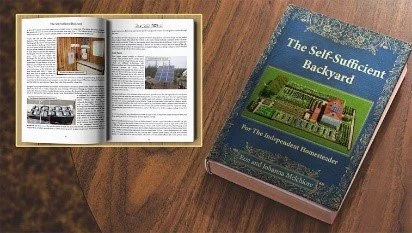
The Self-Sufficient Backyard has color pictures and crystal-clear instructions for each step of every project so that you can become less dependent on pharmacies and grocery chains and take back your independence.
This is probably one of the biggest misconceptions about homesteading. When people picture a homestead, they often imagine rolling pastures, a huge vegetable garden, fruit trees, chickens scratching in the yard, and maybe a goat or two getting into trouble.
And while that certainly sounds wonderful, land ownership isn't a requirement for becoming more self-sufficient.
Think about what a homesteader actually does. We grow food, preserve what we can, cook from scratch, repair things instead of replacing them, reuse materials, and learn skills that make us less dependent on buying everything we need. How many of those things require acres of land?
Exactly!
How to Homestead Without Owning Land
Start a small container garden. Even if your outdoor space consists of a tiny balcony or a sunny windowsill, you can grow something useful. Herbs, lettuce, green onions, radishes, and even some varieties of tomatoes can grow in containers. Start with a few plants you actually enjoy eating, and build from there.
Learn to preserve food. You don't have to grow everything you preserve. Buy seasonal produce when prices are low, take advantage of grocery sales, or ask friends and family if they have extra garden produce. Learn to freeze vegetables, dry herbs, make jam, or safely can foods using tested recipes.
Cook from scratch. Homemade bread, soup, broth, yogurt, and simple pantry staples can help you rely less on convenience foods. You don't have to make every single thing yourself. Start with one or two recipes your family loves and add more as you gain confidence.
Make the most of what you have. Repurpose containers, mend clothing, repair household items, and find creative ways to use leftovers. These small habits might not look like traditional homesteading, but they build the same practical skills.
Look for community growing opportunities. Community gardens, shared garden plots, and gardening arrangements with friends can give you space to grow food without buying property. Just be sure to check the rules and costs before getting started.
Remember, homesteading isn't a competition to see who can produce the most food or own the most animals. It's about learning to do more for yourself, one skill at a time.
Myth #2: You Have to Raise Animals
I love having animals on a homestead. Chickens have been part of my life for years, and they bring so much personality and entertainment to the backyard. But I also understand that not everyone can keep animals, especially if they rent or live in a neighborhood with restrictions.
Guess what? You can still be a homesteader!
Raising animals is one way to increase self-sufficiency, but it isn't the only way. You can grow food, make household products, cook from scratch, preserve seasonal harvests, and learn traditional skills without ever bringing a chicken home.
If you dream of having animals someday, use this time to learn about their care, costs, housing, and daily needs. Researching now can help you prepare for the responsibilities that come with raising livestock and avoid expensive surprises later.
In the meantime, here are a few animal-free ways to get started:
Learn to make homemade broth from leftover bones and vegetable scraps.
Grow herbs for cooking, drying, and making simple herbal preparations.
Learn to make soap, salves, or other useful household products using appropriate safety precautions.
Visit local farms, volunteer at a community garden, or learn from experienced homesteaders.
Build a pantry of practical staples and learn how to use them in everyday meals.
You don't need a barnyard to build a more self-sufficient home. You just need a willingness to learn.
Myth #3: Homesteading Is Too Expensive
This one is especially important because I think it stops a lot of people before they even begin.
When you look online, it's easy to get the impression that you need thousands of dollars in equipment, raised garden beds, a greenhouse, fancy canning supplies, and a property full of infrastructure before you can call yourself a homesteader.
But here's the thing: homesteading can be a way to save money, not just a way to spend it.
Of course, some homesteading projects require an upfront investment. Buying land, building a chicken coop, installing fencing, and purchasing equipment can be expensive. And growing your own food isn't automatically cheaper when you factor in supplies, time, and the cost of getting started.
But many of the most useful homesteading habits cost little or nothing.
Start With the Skills That Save You Money
Use what you already own. Before purchasing supplies for a new project, take inventory of what you have. An old container might make a perfectly good planter, and a simple kitchen tool may be all you need to start a new recipe.
Reduce food waste. Plan meals around the food you already have, freeze leftovers, and learn to use ingredients in multiple ways. A little organization can keep perfectly good food out of the trash.
Learn basic repairs. Sewing a button, patching a small hole, fixing a loose handle, or maintaining household equipment can extend the life of things you already own.
Make simple household products when it makes sense. Some homemade products can be inexpensive alternatives to store-bought versions. Compare the actual cost of ingredients and supplies before assuming homemade is always cheaper.
Grow high-value crops. If you have a little growing space, consider herbs or produce you regularly buy at the store. Start small and pay attention to what grows well in your climate.
Shop intentionally. Buying ingredients in season, comparing unit prices, and planning meals around sales can help stretch your grocery budget.
The goal isn't to spend money trying to look like a homesteader. It's to develop skills and habits that make your household more resilient.
And here's an added bonus: every dollar you don't spend unnecessarily is a dollar you can put toward your bigger dreams.
Myth #4: You Have to Be Completely Self-Sufficient
Let's clear something up: I don't know many people who are truly 100% self-sufficient, and I don't think that's a realistic goal for most of us.
Even people living on large rural properties still rely on other people and outside systems. We all need tools, medical care, supplies, equipment, and skills that someone else can provide. There's nothing wrong with that!
Homesteading isn't about cutting yourself off from the world. It's about increasing your ability to care for yourself and your family.
Maybe this year you learn to grow some of your own vegetables. Next year, you learn to preserve them. Later, you might add chickens, plant fruit trees, or learn to make more things from scratch.
Each skill gives you another option. And having options is a powerful thing.
Instead of asking, "How can I do everything myself?" try asking, "What is one thing I could learn to do for myself this year?"
That question is much less overwhelming, and it gives you a place to start.
Myth #5: If You Can't Homestead Now, You Have to Wait Until You Own Land
This is the myth that really gets me.
I think a lot of people put their homesteading dreams on hold because they believe they have to wait for the perfect property, the right amount of money, or the ideal circumstances.
But what if you used this season of life to prepare for the next one?
If your dream is to own a little piece of land someday, you can start building the skills you'll need long before you sign the paperwork.
Learn how to grow food in your local climate. Practice preserving produce. Get comfortable cooking from scratch. Learn basic home maintenance. Research gardening, soil health, water use, and animal care. Start figuring out what kind of property would actually meet your needs.
Most importantly, start building a financial plan for your future homestead.
Use Today's Homesteading Habits to Fund Tomorrow's Dream
You don't have to save thousands of dollars overnight. Start by looking for small, realistic ways to free up money in your monthly budget.
Track your spending. Find out where your money is going before deciding where to cut back.
Plan meals around what you have. Use your pantry and freezer before buying more groceries.
Learn inexpensive skills. Try simple DIY projects that reduce waste or help you avoid unnecessary purchases.
Set up a dedicated savings fund. Even small, consistent contributions can build momentum over time.
Research your future property. Make a list of your must-haves, nice-to-haves, and realistic price range so you have a clearer goal.
You may not be able to buy land this year, and that's okay. You can still make progress toward the life you want.
One word of caution: don't feel pressured to buy equipment, animals, or property before you're financially ready. A homestead should help you build a more sustainable life, not leave you struggling under unnecessary debt.
How to Start Homesteading Today, No Matter Where You Live
If you're feeling inspired but aren't sure where to begin, here's my advice: don't try to change everything at once.
Choose one small project that fits your current situation, budget, and available space. Give yourself time to learn from it before moving on to the next thing.
Here are a few ideas to get you started.
If you live in an apartment:
Grow herbs on a windowsill.
Learn to bake bread or cook a few pantry-friendly meals.
Start a small collection of useful kitchen and household skills.
Freeze leftovers and learn to reduce food waste.
Explore community gardens if you have access to one.
If you rent a house:
Ask your landlord about container gardening or a small garden plot.
Learn to preserve seasonal produce.
Make a meal plan and build a practical pantry.
Repair, mend, and reuse items when appropriate.
Research the local rules before considering animals or permanent garden structures.
If you own a home with a small yard:
Plant a vegetable garden or a few fruiting plants.
Start composting where local rules and space allow.
Learn to save seeds from suitable open-pollinated plants.
Grow herbs you use regularly.
Explore whether backyard chickens are permitted before investing in a flock.
If you already own rural property:
Build your skills gradually rather than trying to establish everything at once.
Improve soil health and plan your garden around your climate.
Learn food preservation before producing more than you can use.
Research animal care and infrastructure costs before adding livestock.
Prioritize projects that meet your household's needs and fit your budget.
There is no single right way to begin. Your version of homesteading might look completely different from your neighbor's, and that's perfectly fine.
Final Thoughts: Your Homestead Can Start Right Where You Are
After talking with my friend, I kept thinking about how sad it was that she and her husband had given up on a dream simply because they didn't have the resources they thought they needed.
I wish more people understood that homesteading doesn't have to be an all-or-nothing lifestyle. You don't have to own land, raise animals, grow every bit of your food, or live in the middle of nowhere to begin.
You can start with a windowsill herb garden. You can learn to make bread. You can preserve a few jars of seasonal produce, repair something instead of replacing it, or start saving a little money each month for the future you've imagined.
Those things count.
And who knows? Maybe the skills you build today will help you create the homestead you've always dreamed of tomorrow. Even if you never own a single acre, you'll still have gained practical knowledge, greater confidence, and a few more ways to care for yourself and your family.
So, if you've been waiting for the perfect time, the perfect property, or the perfect budget, consider this your invitation to start small.
You don't have to wait until you have a homestead to start living like a homesteader.
Tell me in the comments: What's one homesteading skill you've always wanted to learn, or what's one thing you're already doing to become more self-sufficient? I'd love to hear about it!