Calendula Herbal Monograph & Homemade Calendula Salve Recipe
I can’t believe autumn is already here! The trees are bursting with beautiful shades of orange and gold, and we’re making the most of the season by hiking, hunting, bringing in the last of the garden harvest, and enjoying all the little things that make this time of year so special.
But as much as I love autumn, the changing weather can be hard on our skin. One day brings crisp, dry air, and the next brings cold rain and damp winds. Before long, my hands, lips, and skin are feeling the effects of the changing seasons.
Disclaimer: I use affiliate links which means I may make a commission from products I suggest at no additional cost to you. I only promote products I use and trust and feel you will love as well.
Thankfully, my garden was full of beautiful calendula blooms this year, and I know just what to do with them! Calendula is one of my favorite flowers to grow, not only because its cheerful golden-orange petals brighten up the garden and invite wonderful pollinators, but also because they can be used to make simple, traditional herbal preparations right at home.

I made a big decision not long ago. I decided to enroll in an herbal school. It’s been one of the best decisions I have ever made. Not only am I diving deeper into the science of herbal medicine, but I get to do it with a community of like-minded people who are so supportive and, well, just amazing. Want to join me? Check it out here!
One of my favorite ways to preserve these sunny little blooms is by turning them into a soothing, homemade calendula salve. Made with calendula-infused oil and a little beeswax, this simple salve is a wonderful addition to a natural skincare routine, especially when cooler weather leaves skin feeling dry and rough.
Before we head into the kitchen and make a batch, let’s take a closer look at calendula, its traditional herbal uses, and what makes this cheerful garden flower such a popular ingredient in homemade skincare.
As always, there’s something special about gathering a little of what the garden has given us and turning it into something useful for our home.
Calendula is a wonderful flower to get to know if you're interested in gardening, herbalism, and making your own natural skincare products. Its bright orange and yellow flowers are beautiful in the garden, but the petals also have a long history of use in traditional herbal preparations.
Let's look at the plant itself, its traditional uses, and how you can incorporate it into your home apothecary.
Plant profile
Calendula
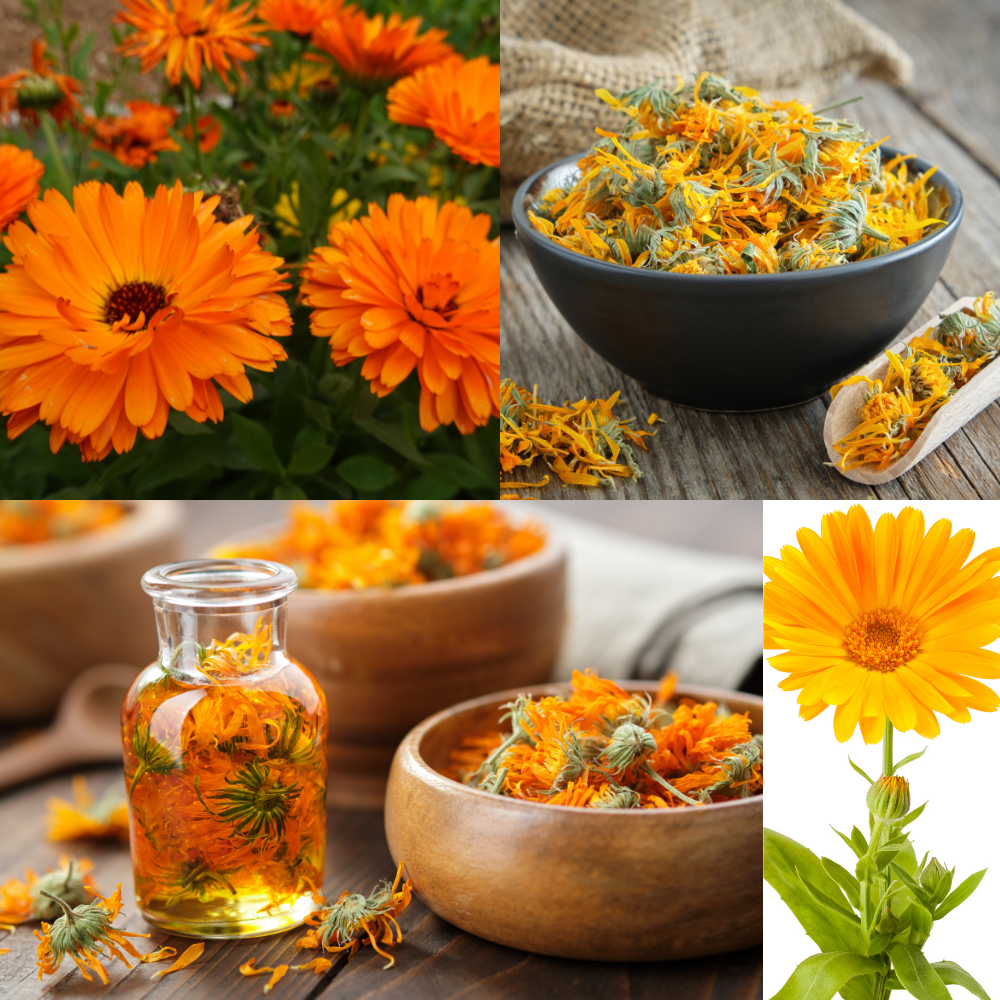
Pot marigold
Botanical name: Calendula officinalis L.
Family: Asteraceae (daisy family)
Plant part used: Flower heads and petals
Primary preparation: Infused oil, salves, creams, and traditional topical preparations
Botanical description
Calendula is an aromatic annual herb with bright yellow, golden, and orange flowers. It is commonly grown in cottage gardens, vegetable gardens, and herb gardens. The flowers are edible in some culinary traditions, and the dried petals are widely used in herbal preparations.
Calendula is sometimes confused with ornamental marigolds from the Tagetes genus. Although they belong to the same botanical family, they are different plants. When making this salve, look specifically for Calendula officinalis.
Traditional herbal uses
Calendula flowers have traditionally been used in preparations intended to soothe minor skin inflammation and support the healing of minor wounds. I have found it incredibly helpful for both my eczema and my daughter's. Here are some of the reasons calendula is a popular ingredient in homemade skincare:
Dry, rough skin: Calendula-infused oil and salves can help soften skin and reduce moisture loss.
Minor skin irritation: Traditional calendula preparations are used to soothe minor inflammatory skin complaints.
Minor scrapes: Calendula has a history of topical use as an aid in the care of minor wounds.
Everyday skin care: A simple calendula salve can be useful for dry hands, elbows, and other areas that need a little extra moisture.
What makes calendula useful in a salve?
Calendula contains several naturally occurring plant compounds, including flavonoids, carotenoids, and triterpenoids. Researchers have investigated these compounds for potential anti-inflammatory and antioxidant activity.
The oil infusion is an especially practical way to work with calendula at home. Oil extracts some of the plant's oil-soluble constituents, while the beeswax helps turn the infused oil into a convenient balm.
Harvesting and drying calendula
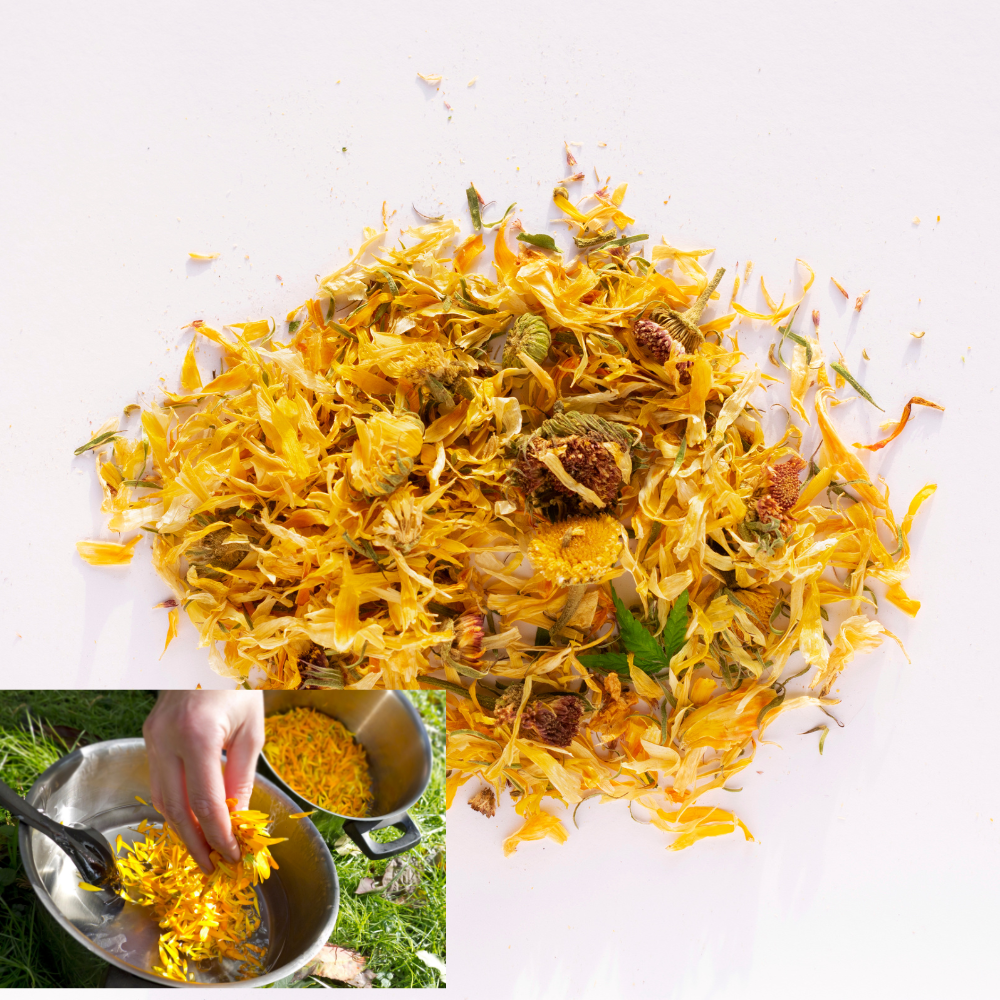
If you grow calendula yourself, you can harvest the flowers throughout the growing season.
Pick healthy, fully opened flowers on a dry day after the morning dew has evaporated.
Inspect the flowers and remove any insects, dirt, or damaged material.
Spread the flowers or petals in a single layer on a clean screen or drying rack.
Allow them to dry in a warm, well-ventilated area away from direct sunlight.
Make sure they are completely dry and crisp before storing or using them in oil.
Why does drying matter? Fresh flowers contain water, which can introduce moisture into oil and increase the risk of spoilage. For a homemade salve, thoroughly dried calendula is the better choice.
Store dried flowers in a clean, dry, airtight container away from heat and sunlight.
Homemade Calendula Salve Recipe
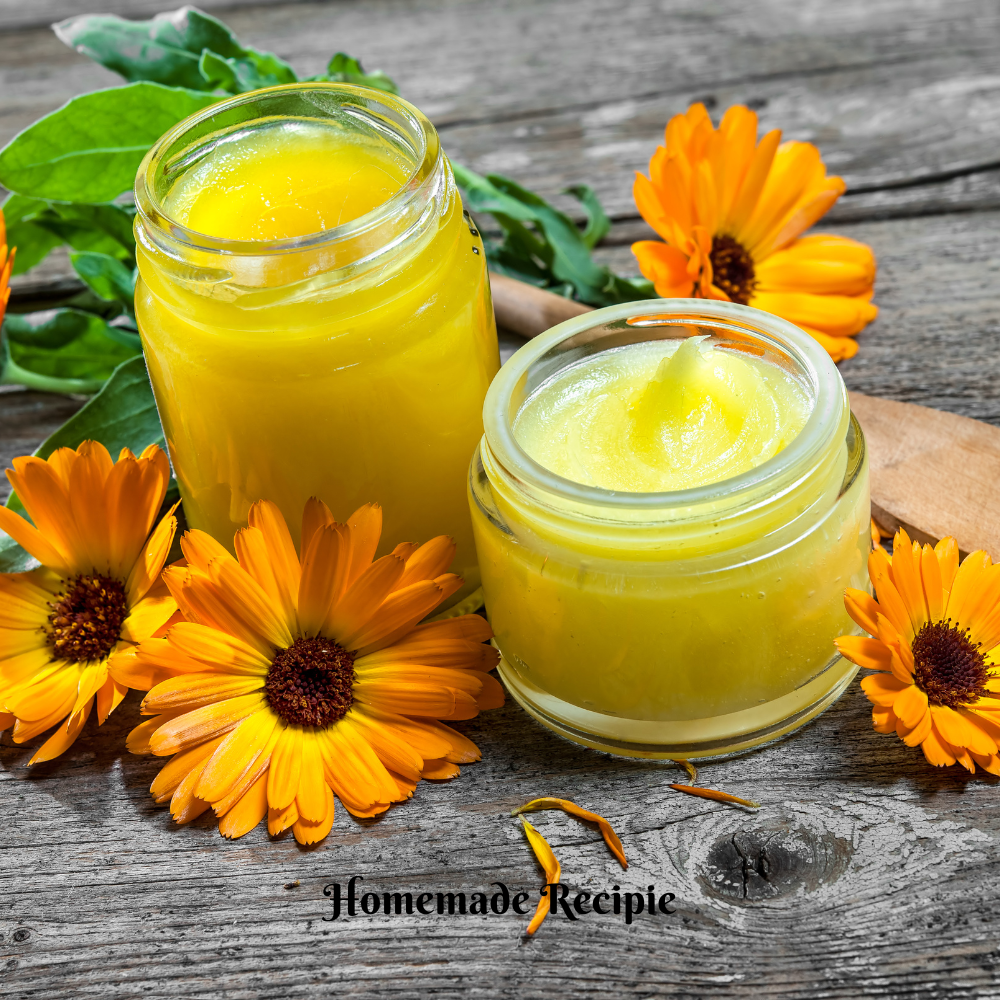
This simple calendula salve uses just three ingredients: calendula-infused oil, beeswax, and an optional touch of vitamin E oil for formulation purposes. It's an approachable recipe for beginners and a lovely way to use flowers harvested from your own garden.
The most time-consuming part is preparing the infused oil, but the wait is worth it if you enjoy making your own herbal products.
Ingredients and supplies
Dried calendula flowers
Enough to loosely fill a clean, dry glass jar about halfway
Olive oil
Enough to completely cover the dried flowers, plus a little extra for straining losses
Beeswax
1 tablespoon per 1/2 cup of strained infused oil for a softer salve; add more for a firmer texture
Supplies
Clean, completely dry glass jar, fine-mesh strainer or cheesecloth, double boiler, spoon, and clean salve tins or jars
Optional: You can use a small amount of vitamin E oil as an antioxidant to help slow oxidation of the oils. It does not preserve the salve against microbial growth, so good hygiene and keeping water out of the product remain important.
Step 1: Make the calendula-infused oil
The first step is to transfer the goodness of the dried flowers into your oil.
Place your completely dried calendula flowers into a clean, dry glass jar, filling it about halfway.
Pour olive oil over the flowers until they are fully submerged.
Stir gently with a clean, dry utensil to release trapped air bubbles.
Make sure the flowers remain covered with oil, then close the jar.
Label the jar with the ingredients and date.
Choose your infusion method:
Slow method: Keep the jar in a cool, dark cupboard for about 4–6 weeks. Check it periodically to ensure all plant material remains submerged and there are no signs of spoilage.
Gentle warm method: Place the jar or a heat-safe container of flowers and oil in a warm water bath, or use a double boiler, maintaining gentle warmth for approximately 2–4 hours. Avoid overheating the oil.
For either method, keep water out of the oil and use only fully dried flowers.
Step 2: Strain the oil
Once the infusion is ready:
Place a fine-mesh strainer lined with clean cheesecloth over a clean, dry bowl.
Slowly pour the infused oil through the strainer.
Allow the oil to drain, then gently press the flowers to recover some of the remaining oil.
Discard the spent flowers.
Measure the strained oil so you know how much beeswax to use.
The oil should be clear of visible plant material. If the infusion smells rancid, looks moldy, or shows other signs of spoilage, discard it rather than using it.
Step 3: Melt the beeswax
Now it's time to turn your infused oil into a salve.
Measure out 1/2 cup of calendula-infused oil.
Add 1 tablespoon of beeswax.
Place both ingredients in a heat-safe container set over a pot of gently simmering water.
Stir occasionally until the beeswax has completely melted.
Remove the container from the heat carefully.
Avoid direct high heat. Never leave the melting mixture unattended, and keep water from the saucepan out of the salve.
Step 4: Test the consistency
This step helps you customize your salve to your liking.
Place a small drop of the melted mixture onto a cool plate or spoon.
Allow it to cool for a few minutes.
Check the texture with your finger.
If the salve is too soft, return the mixture to the double boiler and melt in a little more beeswax. If it is too firm, add a little more infused oil.
Allow each adjustment to melt completely before testing again.
Step 5: Pour into jars
Once you're happy with the consistency:
Carefully pour the warm liquid salve into clean, completely dry jars or tins.
Leave the containers uncovered while the salve cools and sets in a clean location.
Once fully cool, close the lids.
Label each container with the ingredients and date made.
Allow the salve to set completely before using it. The final texture should be smooth and easy to scoop with a clean finger or small spatula.
Step 6: Store and enjoy your homemade salve
Keep your finished calendula salve in a cool, dry, dark place. Use clean, dry hands or a dedicated spatula each time you scoop some out, and never introduce water into the jar.
How to Use Calendula Salve
Apply a small amount to clean, dry skin and gently massage it in. The oil and beeswax create an emollient layer that helps soften skin and reduce moisture loss.
You might enjoy keeping a little jar:
By the kitchen sink for dry hands.
In your bathroom for rough elbows.
In your gardening basket for after outdoor chores.
In your travel bag for everyday skincare.
Use the salve on intact skin or only in ways appropriate for the specific product and situation. Do not use a homemade salve to treat deep wounds, serious burns, infected skin, or unexplained rashes.
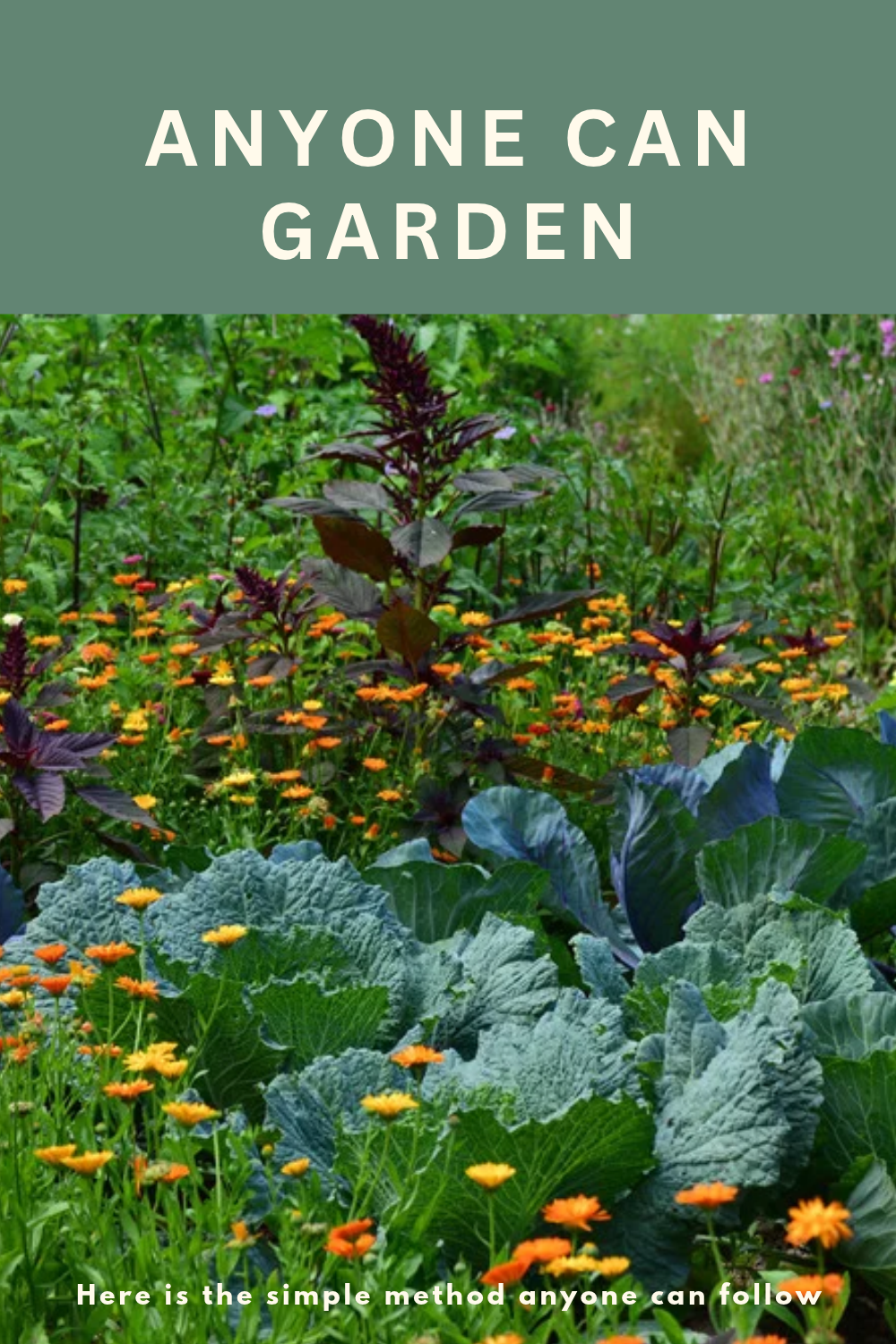
Want to grow your own vegetables and herbs but worried you don’t have the time? The Five-Minute Garden, can help you go from “brown thumb” to productive gardener in just a season. Learn about it here.
Calendula Safety Notes
Calendula is a popular traditional herb, but natural does not automatically mean risk-free.
Allergies: Avoid calendula if you are allergic to calendula or other plants in the Asteraceae family, such as ragweed, daisies, and chrysanthemums. Skin sensitization has been reported.
Patch testing: Test a small amount on a small area of intact skin first. Stop using it if irritation or a rash develops.
Pregnancy and breastfeeding: Safety for medicinal use has not been established; consult a qualified healthcare professional before using it for these purposes.
Children: Do not assume a homemade preparation is suitable for babies or young children. Seek advice from a pediatric healthcare professional.
Medical care: Seek medical advice for signs of infection, worsening symptoms, or skin problems that persist.
Remember that this recipe is intended for external skincare, not for eating or treating a medical condition.
Final Thoughts
One of my favorite things about gardening is discovering how many useful things can come from a few simple plants. Calendula is beautiful growing in the garden, easy to harvest, and a wonderful introduction to making herbal preparations at home.
This homemade salve is a simple way to preserve a little of the garden's golden color for the colder months ahead. With just a few ingredients and a little patience, you can make a useful addition to your seasonal skincare routine.
So, if your garden is still giving you a few last calendula blooms, consider drying them and saving them for a batch of salve. Your future self may be glad you did!
Have you made calendula salve before? I'd love to hear how you use calendula in your home apothecary or which herbs you enjoy growing in your garden.
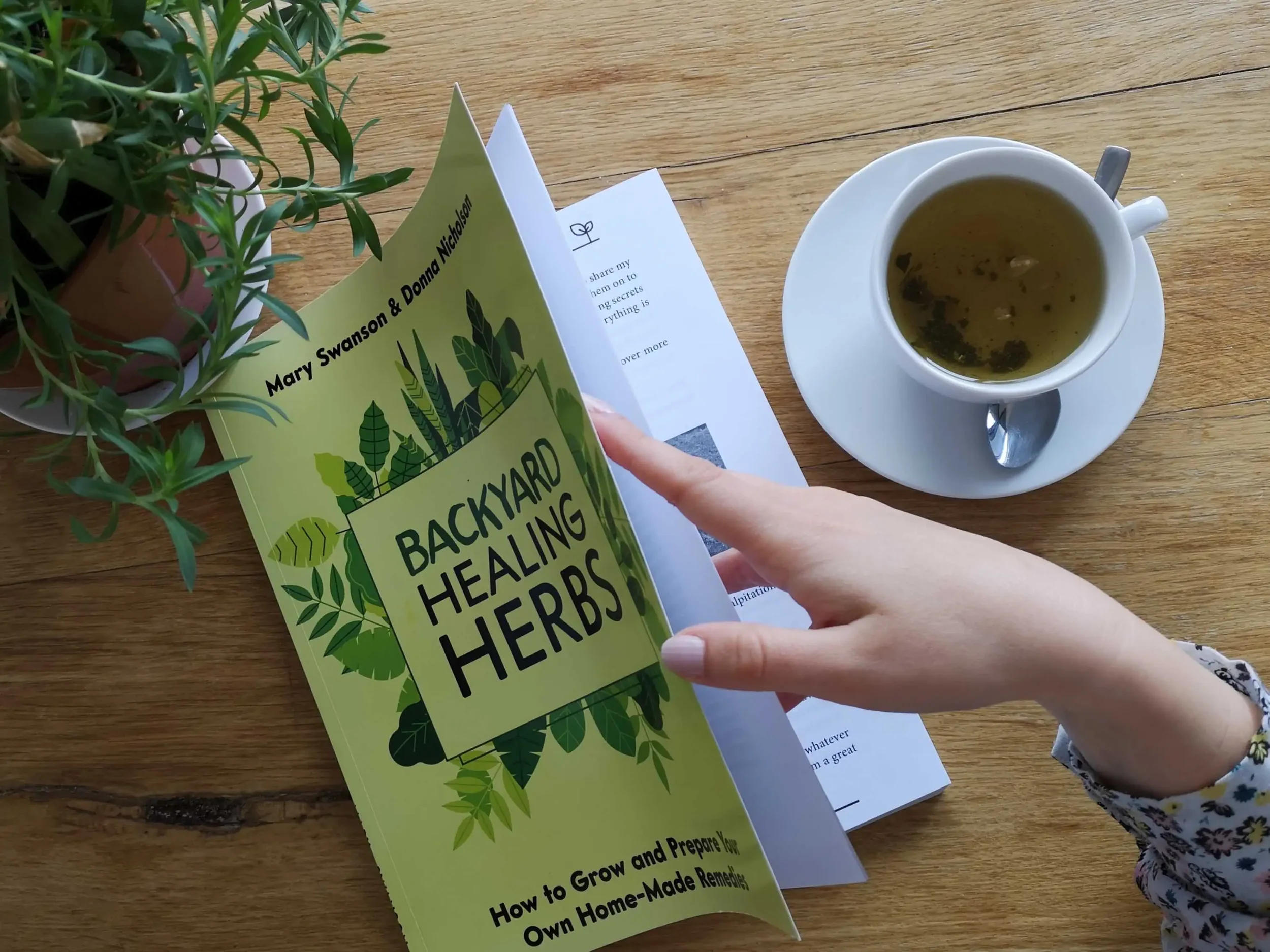
Most comprehensive gardening book for your health, now at your door!