A Hunting Season Herbal Remedy
Well, it’s hunting season! Around here, that means plenty of hiking, lifting, hauling, and spending long days on our feet. Even when we do our best to stay in shape and prepare for the season, hunting has a way of putting our bodies to work in ways they aren't always accustomed to. Climbing steep hills, carrying gear, and navigating uneven ground can leave us feeling sore and achy by the time we get home.
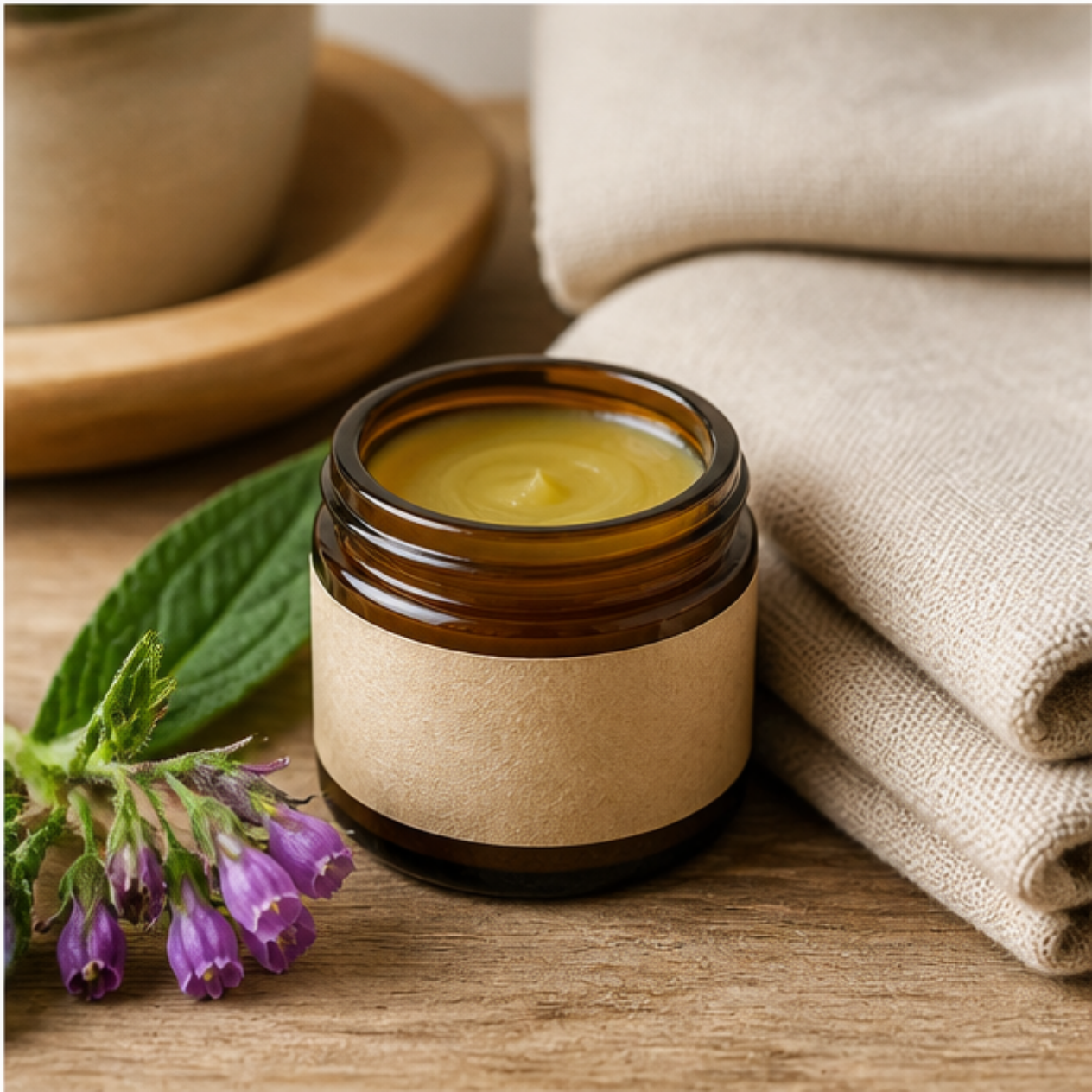
One of the herbs I turn to when preparing my seasonal herbal supplies is comfrey. I make a topical comfrey salve to use as part of my post-hunt routine, especially when my muscles feel tired and my joints are feeling the effects of a long day outdoors.
Comfrey has a long history of traditional use in herbal preparations for bruises, sprains, and minor aches. Its reputation has made it a popular ingredient in homemade salves and other topical products. However, there are some important safety considerations to understand before using it, particularly because comfrey contains compounds that can be harmful to the liver when absorbed into the body.
In this post, we'll explore comfrey's history, traditional uses, identifying characteristics, and important safety precautions. Then, I'll walk you through making a simple comfrey-infused oil and turning it into a rich salve for your herbal cabinet.
As always, herbal remedies are best used thoughtfully. Let's take a closer look at this traditional plant and how to work with it responsibly. For more on herbal safety, check out our quick herbal safety notes here.
Disclaimer: I use affiliate links which means I may make a commission from products I suggest at no additional cost to you. I only promote products I use and trust and feel you will love as well.
Botanical profile
Common names: Comfrey, knitbone, boneset, bruisewort, and blackwort. Note that “boneset” can also refer to a different medicinal plant, so common names should not be used for identification.
Scientific name: Symphytum officinale L.
Family: Boraginaceae (the borage family).
Plant type: Hardy perennial herb.
Native range: Europe and parts of Asia; now naturalized in many other regions, including North America.
Parts traditionally used: Leaves and roots.
Primary traditional preparations: Poultices, infused oils, ointments, and creams for external use.
Identification and growing characteristics
Comfrey is a vigorous perennial that grows in clumps, with large, coarse, hairy leaves and thick roots. Depending on the variety, its bell-shaped flowers may be purple, violet, pink, or cream-colored. It generally prefers moist, fertile soil and can grow quite large once established.
Comfrey is also popular in homestead gardens because its abundant foliage can be used as mulch or added to compost. However, it spreads readily, so choosing its growing location carefully is worthwhile.
Harvesting note: Only harvest a plant you have positively identified. Do not ingest comfrey or use it to make teas, tinctures for internal use, or other oral preparations.
Traditional uses and active constituents
Comfrey has a long history in European herbal traditions, where it was used externally for bruises, sprains, and other minor injuries. Its nickname “knitbone” reflects its traditional association with supporting the healing of injuries, although it should not be interpreted as evidence that the herb can knit broken bones.
Researchers have studied several constituents found in comfrey:
Allantoin: A compound associated with cell growth and tissue repair in laboratory research.
Rosmarinic acid: A plant compound studied for its anti-inflammatory activity.
Mucilage: Plant polysaccharides that can produce a soothing, slippery texture.
Tannins: Compounds with astringent properties.
These constituents help explain some of the interest in comfrey, but the presence of a compound in a plant does not automatically establish that a homemade preparation will deliver a particular medical benefit.
For a homemade salve, it is more accurate to describe comfrey as a traditional topical ingredient for minor aches and bruises than to promise that it treats pain, inflammation, or an injury.
Ingredients
1/4 cup (60 mL) PA-free comfrey-infused oil
Choose a supplier that verifies pyrrolizidine alkaloid levels through appropriate testing.
1/2 ounce (14 g) beeswax pellets
Helps the oil solidify into a spreadable salve.
One clean, dry glass jar or several small tins
Use heat-safe containers suitable for storing homemade balms.
Step-by-step instructions
1. Prepare a double boiler.
Add a little water to a saucepan and bring it to a gentle simmer. Place a heat-safe bowl over the saucepan, making sure the bottom of the bowl does not touch the water.
2. Melt the beeswax.
Add the beeswax pellets and stir gently until fully melted. Add the PA-free comfrey-infused oil and stir until the mixture is uniform. Avoid overheating.
3. Pour into containers.
Carefully pour the warm mixture into your clean, dry jar or tins. Keep the containers on a stable, heat-resistant surface.
4. Allow the salve to cool.
Leave the containers uncovered until the salve has cooled and solidified. Once completely cool, secure the lids.
5. Label and store.
Label the jar with the ingredients and preparation date. Store it in a cool, dry place and discard it if you notice changes in smell, appearance, or texture.
How to use your salve
Follow the directions and precautions provided by the PA-free oil supplier, and check that the product is intended for topical use. Test a small amount on intact skin first and stop using it if irritation occurs.
Remember that a homemade salve is not a substitute for treating an injury. Severe pain, substantial swelling, difficulty bearing weight, or pain that does not improve warrants medical evaluation.
A few final thoughts
Herbalism is about more than growing plants and making remedies. It is also about understanding the plants we work with, respecting their strengths and limitations, and learning when a traditional remedy may not be the right choice.
Comfrey has a fascinating history and continues to be studied for its potential topical uses. With a little research and careful ingredient selection, you can make informed decisions about what belongs in your home herbal cabinet.
Here's to a wonderful hunting season, safe travels on the trails, and taking good care of ourselves after a long day outdoors!
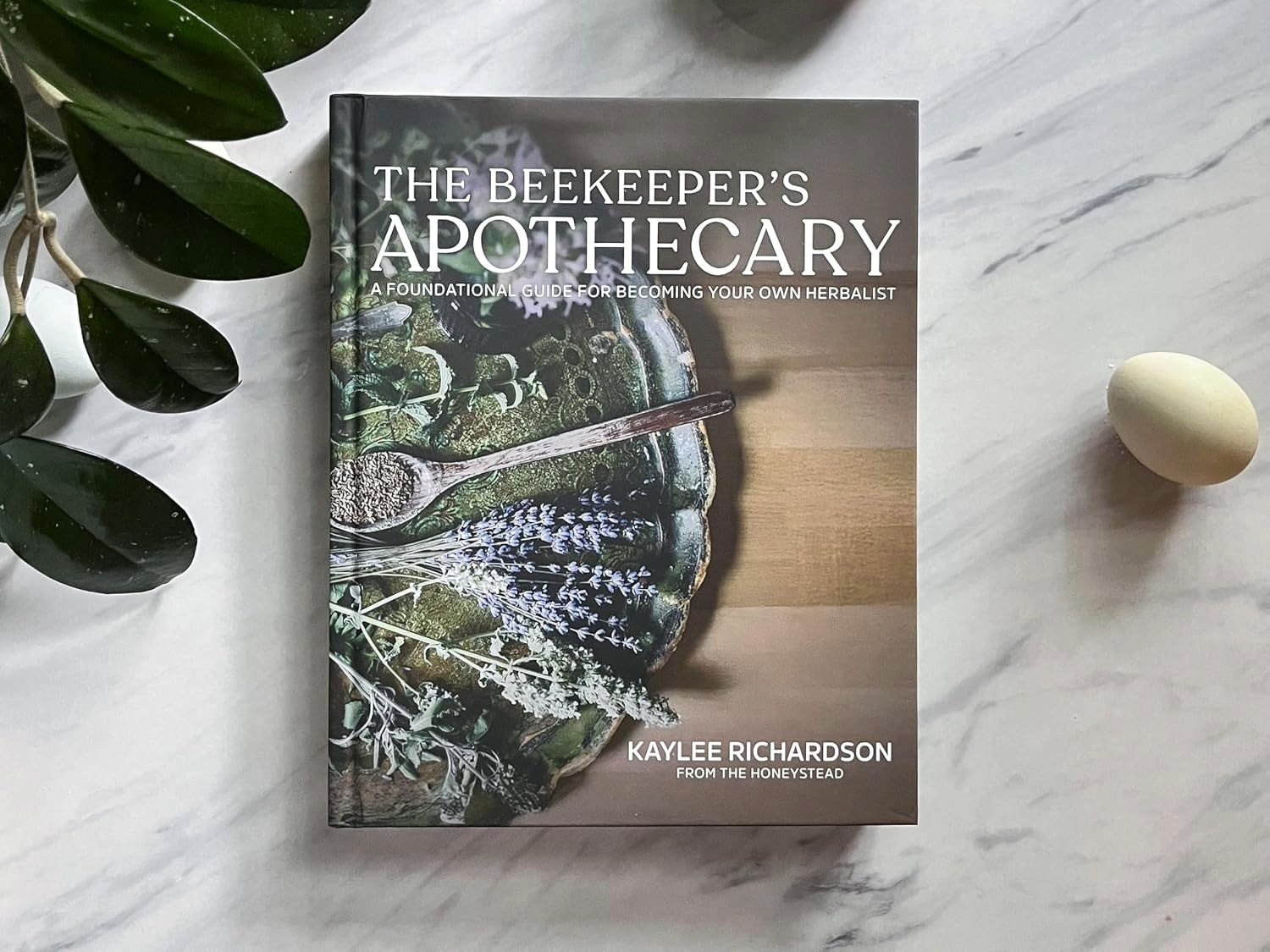
I love Kaylee Richardson. I have learned so much from her and her book is a beautiful addition to any Apothecary library.