A Simple Guide to Healthy, Happy Hens
There is something special about tending to the chickens on a crisp autumn morning. The garden is winding down, the trees are dropping their last golden leaves, and the days are getting shorter. While we are busy preparing our homes and gardens for winter, it is also time to turn our attention to the chicken coop.
Winter chicken keeping doesn't have to be complicated or expensive. In fact, with a little preparation, you can help your flock stay comfortable, healthy, and productive through the coldest months of the year without relying on heaters, heat lamps, or artificial lighting.
After years of raising chickens, I've learned that some of the best ways to care for a winter flock are also some of the simplest. A dry coop, good ventilation, plenty of bedding, fresh water, and a little understanding of how chickens naturally adapt to the seasons can go a long way.
Let's walk through how to prepare your chicken coop for winter, including how to use the deep litter method, keep your flock warm without electricity, and give your hens the benefits of following the natural rhythm of shorter winter days.
Disclaimer: I use affiliate links which means I may make a commission from products I suggest at no additional cost to you. I only promote products I use and trust and feel you will love as well.
1. Start With a Good Fall Coop Cleaning
Before the snow flies and temperatures drop, take some time to give your chicken coop a thorough inspection and cleaning. It's much easier to make repairs and remove old bedding while the weather is still pleasant than when you're working in freezing temperatures.
Start by removing wet, heavily soiled bedding and cleaning out any accumulated manure. Check the nesting boxes, roosting bars, corners, and other places where droppings tend to collect. Look for signs of rodents, mites, lice, or other unwanted visitors that may become more troublesome as the weather cools.
This is also a good time to inspect the structure of your coop.
Check the roof: Repair leaks and replace damaged roofing materials before winter storms arrive.
Inspect doors and windows: Make sure they close securely and can withstand wind and snow.
Look for drafts: Check around roosting areas and other places where cold air might blow directly onto your birds.
Secure openings: Repair holes and gaps that could allow rodents or predators to enter.
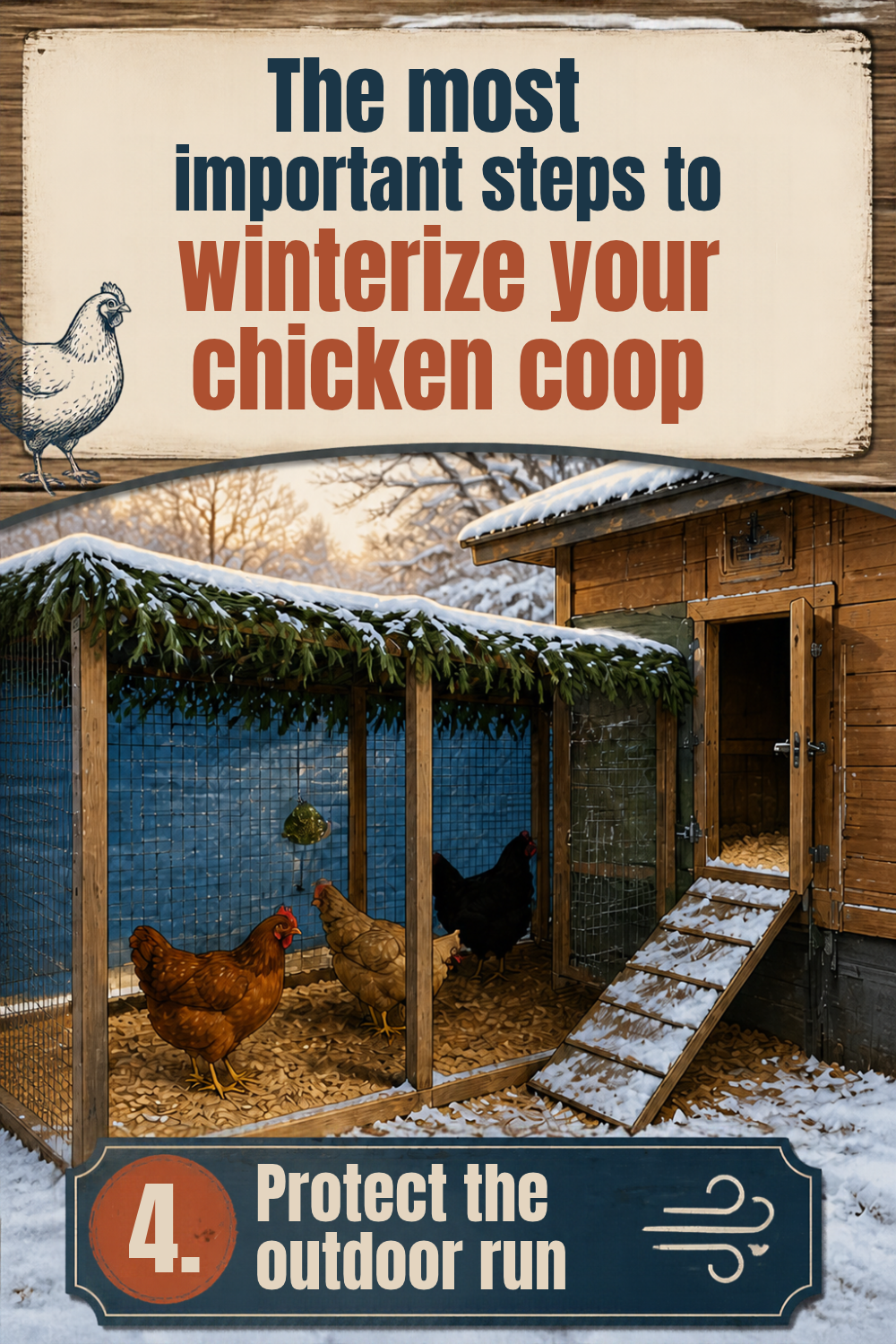
Inspect the run: Check fencing, gates, and coverings to make sure your chickens have a safe place to spend time outdoors.
One of the most important things to remember is that a winter coop needs to be dry. Damp bedding and moisture from chicken droppings can create unhealthy conditions and make cold weather more difficult for your flock.
A clean, dry starting point makes the rest of your winter preparations much easier.

New to chickens? I love this in depth guide on chicken care. It covers everything you need from eggs to meat to cost savings.
2. Ventilation Matters More Than You Think
When the temperatures drop, it can be tempting to close every opening in the chicken coop to keep the cold air out. While keeping your chickens out of direct drafts is important, sealing the coop tightly can actually create bigger problems.
Chickens release moisture through their breath and droppings. In a poorly ventilated coop, that moisture can accumulate, leading to condensation, damp bedding, and ammonia buildup. These conditions can irritate your chickens' respiratory systems and increase the risk of frostbite on their combs and wattles.
The goal is to keep the coop dry and well ventilated without exposing your chickens to direct drafts where they sleep.
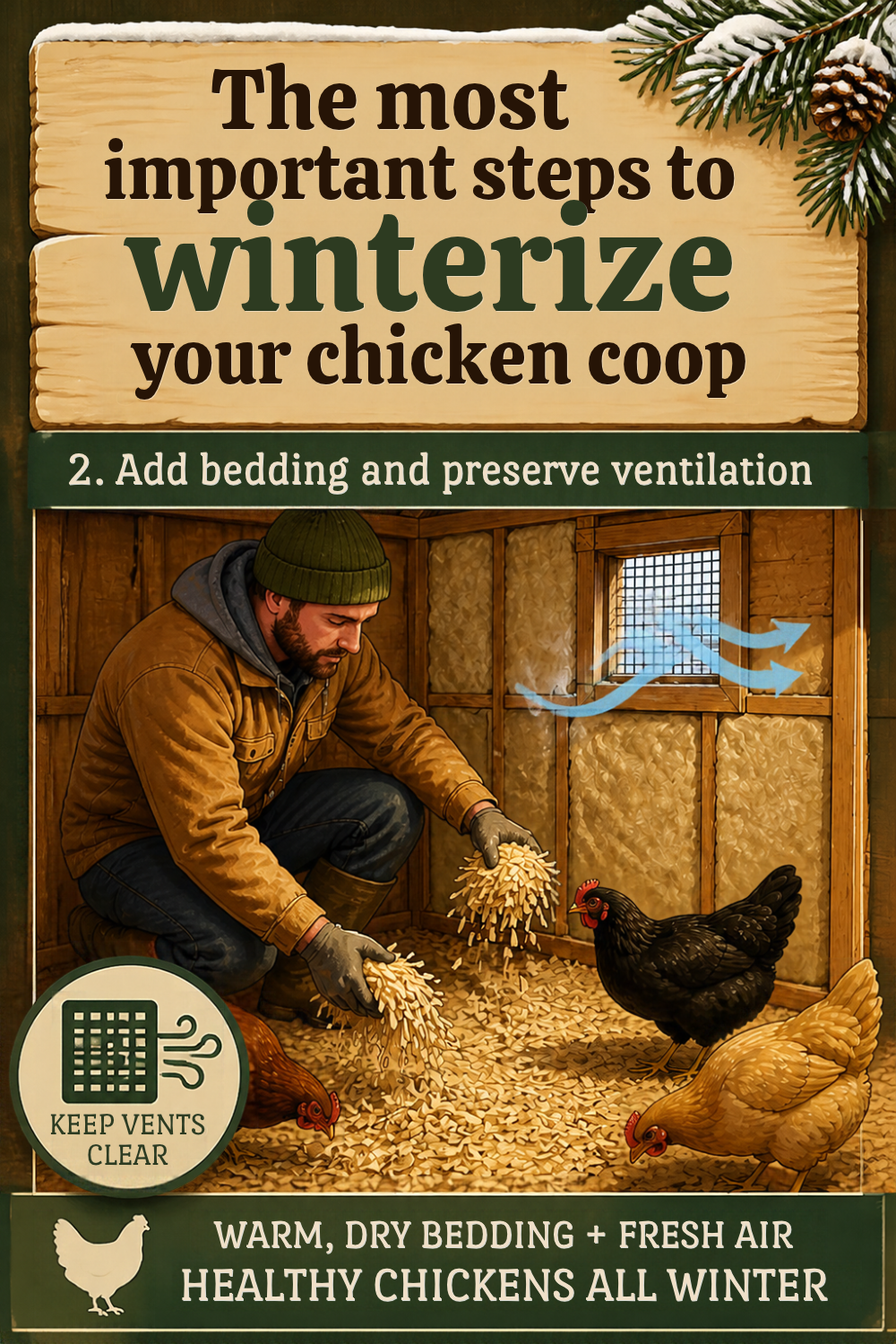
Look for ventilation openings above roost height, where warm, moist air can escape without blowing directly onto your flock. Keep vents open enough to allow fresh air to circulate, even during cold weather, and check periodically for frost or condensation inside the coop.
If you live somewhere with harsh winters, pay particular attention to the wind direction and the location of your roosting bars. A little planning can help your chickens stay comfortable without trapping harmful moisture inside.
Remember: fresh air is essential in winter. A well-ventilated coop is much healthier than a tightly sealed, stuffy one.
3. The Deep Litter Method: A Natural Way to Manage Winter Bedding
One of my favorite approaches to winter coop management is the deep litter method. Instead of removing all the bedding frequently and starting over, you allow dry bedding and manure to accumulate in a managed layer, adding fresh material as needed.
When properly maintained, this method can reduce the amount of frequent cleaning required and help create a more manageable winter routine.
How does the deep litter method work?
The idea is simple. You begin with a clean coop floor and a generous layer of suitable bedding. As your chickens go about their daily activities, manure mixes with the bedding. You regularly add fresh, dry material to absorb moisture and cover droppings, while occasionally turning or mixing the litter as appropriate for your setup.
Over time, microbial activity breaks down some of the organic material. This process can produce a little warmth, but it should never be treated as a dependable heating system. The primary purpose is to manage bedding and manure, not to heat the coop.
Getting started with deep litter
Step 1: Prepare the coop.
Begin with a clean, dry floor. Repair any leaks and make sure the coop has good ventilation. Deep litter works best when moisture can escape and bedding stays reasonably dry.
Step 2: Add a suitable bedding material.
Start with several inches of absorbent bedding. Depending on your setup, suitable materials may include dry pine shavings, chopped straw, or other clean, poultry-safe bedding. Avoid aromatic cedar shavings and materials that are dusty, moldy, or treated with chemicals.
Step 3: Add fresh bedding regularly.
Check the coop frequently. Add fresh material whenever the surface becomes damp, heavily soiled, or begins to smell. Keep nesting boxes clean and dry, even if you use deep litter on the coop floor.
Step 4: Monitor moisture and odor.
The litter should not be wet, caked, or strongly ammonia-smelling. If you notice a persistent ammonia odor, damp clumps, or excessive moisture, remove the affected material, improve ventilation, and address the source of the problem.
Step 5: Maintain the litter throughout winter.
The amount of maintenance required will depend on the size of your coop, the number of chickens, the bedding material, and the weather. Some keepers lightly mix the litter, while others rely on the chickens' scratching to help distribute it. Neither approach replaces regular inspection and removal of wet or unhealthy material.
Benefits of the deep litter method
Less frequent full cleanouts: You may not need to remove all the bedding as often.
A more manageable winter routine: You can reduce the amount of heavy cleaning done in freezing weather.
Better use of bedding: Dry material can continue to serve a purpose instead of being discarded after only a short time.
Compost potential: Used litter can be composted properly and eventually used to improve garden soil.
There are a few things to keep in mind, however. Deep litter is not a set-it-and-forget-it system. It requires regular monitoring, and it may not be appropriate for every coop design or climate. If the litter remains wet or develops a strong ammonia smell, it needs attention rather than another layer of bedding.
Also, avoid confusing the managed deep litter method with simply allowing manure to build up indefinitely. The goal is a healthy, dry bedding environment—not a dirty coop.
When managed correctly, deep litter can be a practical option for homesteaders who want to simplify winter chores while making good use of their bedding.
4. Keeping Chickens Warm Without Electricity
One of the questions I hear most often about winter chicken keeping is whether chickens need a heater. The good news is that healthy, fully feathered adult chickens can often handle cold weather without supplemental heat, provided they have a dry, sheltered, well-ventilated coop and are acclimated to the conditions.
Chickens have a natural way of keeping warm. Their feathers trap a layer of insulating air close to their bodies, and they can fluff their feathers to hold even more warmth. At night, they often settle together on their roosts, tucking their feet beneath their bodies and feathers.
Instead of trying to turn the coop into a warm house, focus on creating a safe place where your flock can use its natural defenses against the cold.
Insulate without heating
If your coop is poorly insulated, consider adding insulation to the walls or ceiling. Be sure to cover it securely so your chickens cannot peck at it and rodents cannot nest inside it.
You can also use natural materials around the exterior to reduce wind exposure. A properly positioned windbreak or securely placed straw bales outside the coop may help protect it from prevailing winter winds. Just make sure these materials do not block ventilation openings or create a fire hazard.
Remember that insulation helps moderate temperature changes, but it does not replace ventilation.
Provide plenty of dry bedding
A generous layer of dry bedding helps insulate the floor and gives chickens a comfortable place to stand, scratch, and rest. This is especially helpful when the ground outside is frozen or covered with snow.
Check the bedding frequently and remove wet spots before they become a problem. Dampness can make a cold coop uncomfortable and increase the risk of frostbite.

Oddly enough my kids are the ones who love working with the chickens and ducks. This book is a great guide for your mini homesteader.
Make sure your roosts are comfortable
Chickens spend much of the night roosting, so this is one of the most important areas to prepare.
Wooden roosting bars are a good choice because they do not conduct cold as readily as metal. Choose a size that allows your chickens to perch comfortably, with enough room to settle together without overcrowding.
When chickens rest, they can sit on their feet and tuck their heads into their feathers to conserve heat. Make sure every bird has enough space to roost without being pushed off by more dominant flock members.
Keep food and water available
Chickens may eat more during cold weather because maintaining body temperature requires energy. Continue feeding a balanced poultry ration and provide fresh water throughout the day.
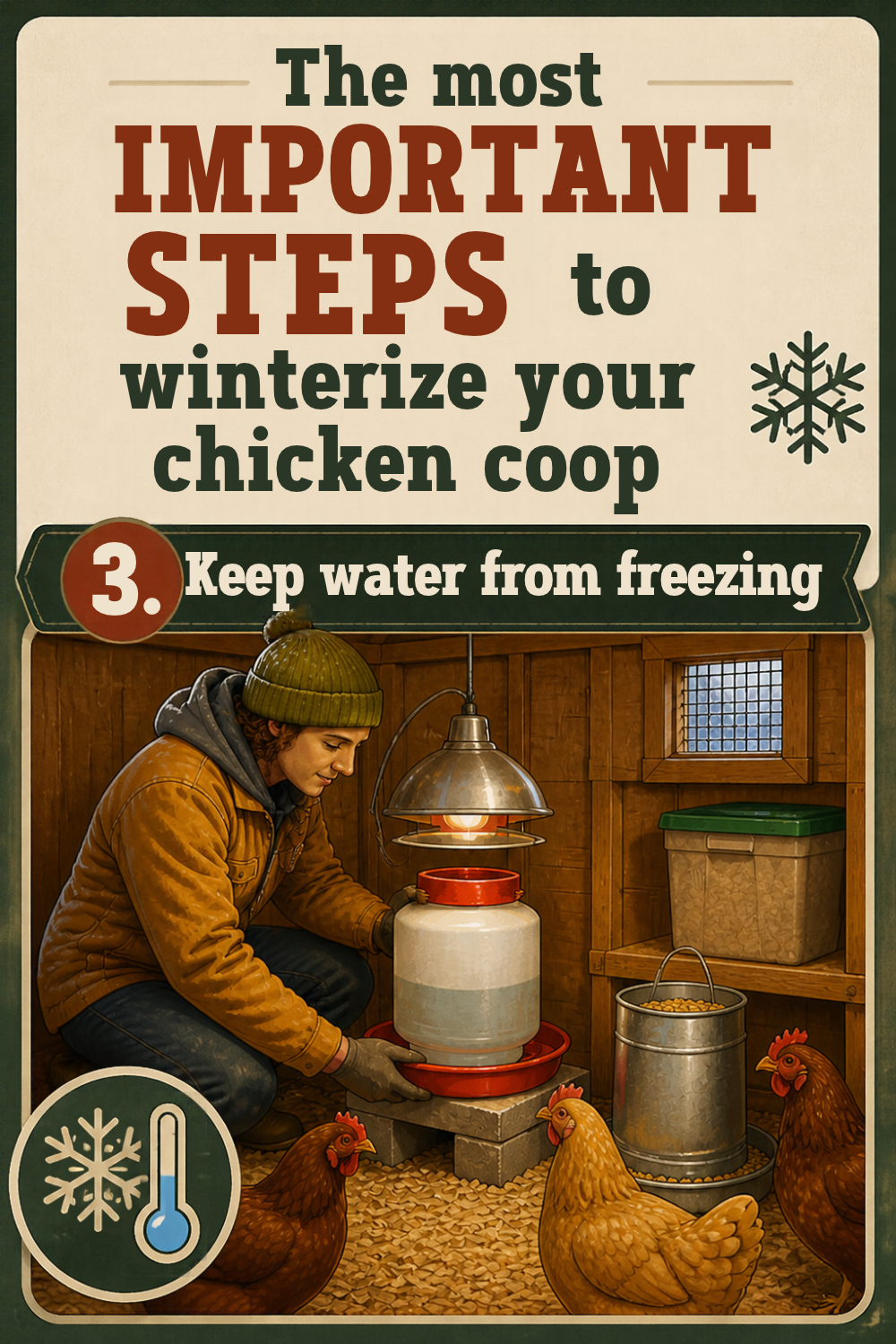
Water can freeze surprisingly quickly, so check it frequently. If you do not have electricity in your coop, you can bring out fresh water several times a day, rotate water containers, or use a setup that makes it easy to remove ice and refill. A rubber container can be easier to empty when the water freezes.
Avoid letting water spill into the bedding, as this can quickly create a damp environment.
You can offer a small amount of scratch grain as an occasional treat, but it should never replace a balanced feed. Good nutrition is far more important than trying to warm chickens with extra treats.
Know when your chickens need extra help
Although many adult chickens tolerate cold well, not every bird or climate is the same. Young birds that have not fully feathered, sick or underweight chickens, older birds, and some small or less cold-hardy breeds may need additional protection.
Watch for persistent huddling, unusual lethargy, or birds repeatedly holding their feet up. Check for moisture and drafts in the coop, and seek veterinary advice if you suspect frostbite or illness.
In extreme cold, supplemental heat may be necessary for vulnerable birds or particular housing conditions. If you do use a heat source, choose equipment designed for poultry environments and follow all safety instructions. Heat lamps and other electrical equipment near dry bedding can create serious fire risks.
For most healthy adult flocks, however, a dry coop, suitable bedding, good ventilation, and protection from wind are the best places to start.
5. Why I Prefer Not to Use Artificial Light During Winter
When the days become shorter, many chicken keepers start thinking about adding artificial light to keep egg production up. It's understandable. There is nothing quite like collecting fresh eggs from the nesting boxes, especially when the garden is asleep for the winter.
But I prefer to let my chickens follow the natural rhythm of the seasons.
As daylight decreases, hens naturally reduce their egg production. The amount of light they receive influences their reproductive cycle, and shorter days often signal that it is time to slow down.
For me, winter is a time to let the flock rest rather than trying to maintain summer production all year long.
Let your hens follow their natural rhythm
In nature, animals respond to seasonal changes. Food availability, temperature, and daylight all influence their behavior. Chickens are no exception.
When we use artificial lighting to extend the day, we can encourage hens to continue laying when they would otherwise slow down. This can be useful for people who depend on a consistent supply of eggs, but it is not necessary for every backyard flock.
By leaving the lights off, I can allow the hens to respond naturally to the changing seasons.
Give your flock a seasonal break
Egg production requires energy and nutrients, particularly protein and calcium. Laying eggs continuously can be demanding, and hens may naturally slow down or stop laying during winter.
However, it is important to understand that reduced daylight does not automatically mean every hen needs a complete break from laying. Some will continue laying throughout winter, while others may pause or begin molting.
Providing a balanced diet, clean water, and appropriate care remains essential regardless of how many eggs your flock produces.
Save electricity and simplify your setup
Not using artificial lighting also means fewer cords, bulbs, timers, and electrical components in the coop. For those of us who enjoy keeping things simple and inexpensive, that's another benefit.
It can also eliminate one source of potential electrical or fire hazards, although it does not remove the need to inspect the coop and maintain safe equipment elsewhere.
Accept fewer eggs during the darker months
This is probably the biggest adjustment for anyone accustomed to a steady supply of fresh eggs.
If you choose not to supplement lighting, you may collect fewer eggs during the winter. Some hens may stop laying for a period, and production may gradually increase again as the days lengthen.
I think there is something rewarding about working with the seasons instead of trying to make every month look like summer. We preserve food, plan our gardens, and adjust our routines throughout the year. Allowing our chickens to follow a seasonal pattern can be another part of that approach.
Of course, every homestead is different. If your household depends on a consistent supply of eggs, supplemental lighting may be a practical choice. The important thing is to understand the trade-off and choose the system that works best for your flock and your goals.
6. Prepare the Chicken Run for Snow and Cold
Even if your chickens have a cozy coop, they will benefit from a safe outdoor area during winter. Many chickens enjoy getting outside on cold days, provided the weather and conditions are suitable.
Before winter arrives, inspect your run and make a few adjustments.
Create a sheltered area: Use a secure windbreak to protect part of the run from prevailing winds.
Provide a dry place to walk: Straw or another suitable, dry ground covering can help make muddy or frozen areas more comfortable.
Keep snow manageable: Clear a small path or sheltered area so your chickens have the option of coming outside.
Check fencing and roofing: Repair loose wire and make sure snow or ice will not compromise the structure.
Offer enrichment: Scatter a little suitable forage material or provide a cabbage, squash, or other safe treat to encourage natural scratching and pecking.
Not every chicken will be eager to step into snow. Some will happily explore while others prefer to stay close to the coop door. Give them options and let them choose when conditions are safe.
Continue protecting your flock from predators, too. Winter can bring hungry wildlife closer to the coop, and shorter days mean your birds may spend more time confined to their enclosure.
7. Don't Forget the Little Winter Chores
Once the coop is prepared, a few small daily habits can make winter chicken keeping much easier.
Here is my simple winter checklist:
Check the water and replace any frozen water.
Make sure feeders contain enough balanced poultry feed.
Check the bedding for wet spots and ammonia odors.
Look for condensation or frost buildup inside the coop.
Confirm that ventilation openings remain clear.
Collect eggs regularly before they freeze.
Check that all chickens are moving, eating, and behaving normally.
Inspect doors, latches, and fencing for signs of predator activity.
Make sure every chicken has a safe place to roost at night.
These small checks can help you catch problems early, before they become bigger issues.
Final Thoughts: A Little Preparation Goes a Long Way
Getting the chicken coop ready for winter doesn't have to mean buying expensive equipment or running electricity out to the coop. In many cases, the best approach is to work with your chickens' natural abilities and focus on the basics.
A dry, well-ventilated coop, comfortable wooden roosts, clean water, balanced feed, and properly managed bedding can make a tremendous difference. The deep litter method may help simplify bedding management, while skipping artificial lighting allows your hens to follow the natural seasonal changes in daylight.
Winter will always bring a few extra chores. Water freezes, eggs need to be collected promptly, and bedding requires regular attention. But there is something peaceful about caring for a flock on a cold winter morning, listening to their soft clucking while the world outside rests.
Homesteading has taught me that we don't always need to make things more complicated to make them work well. Sometimes, the best thing we can do is prepare thoughtfully, observe our animals, and let nature do what it does best.
Here's to a safe, healthy winter for you and your flock!