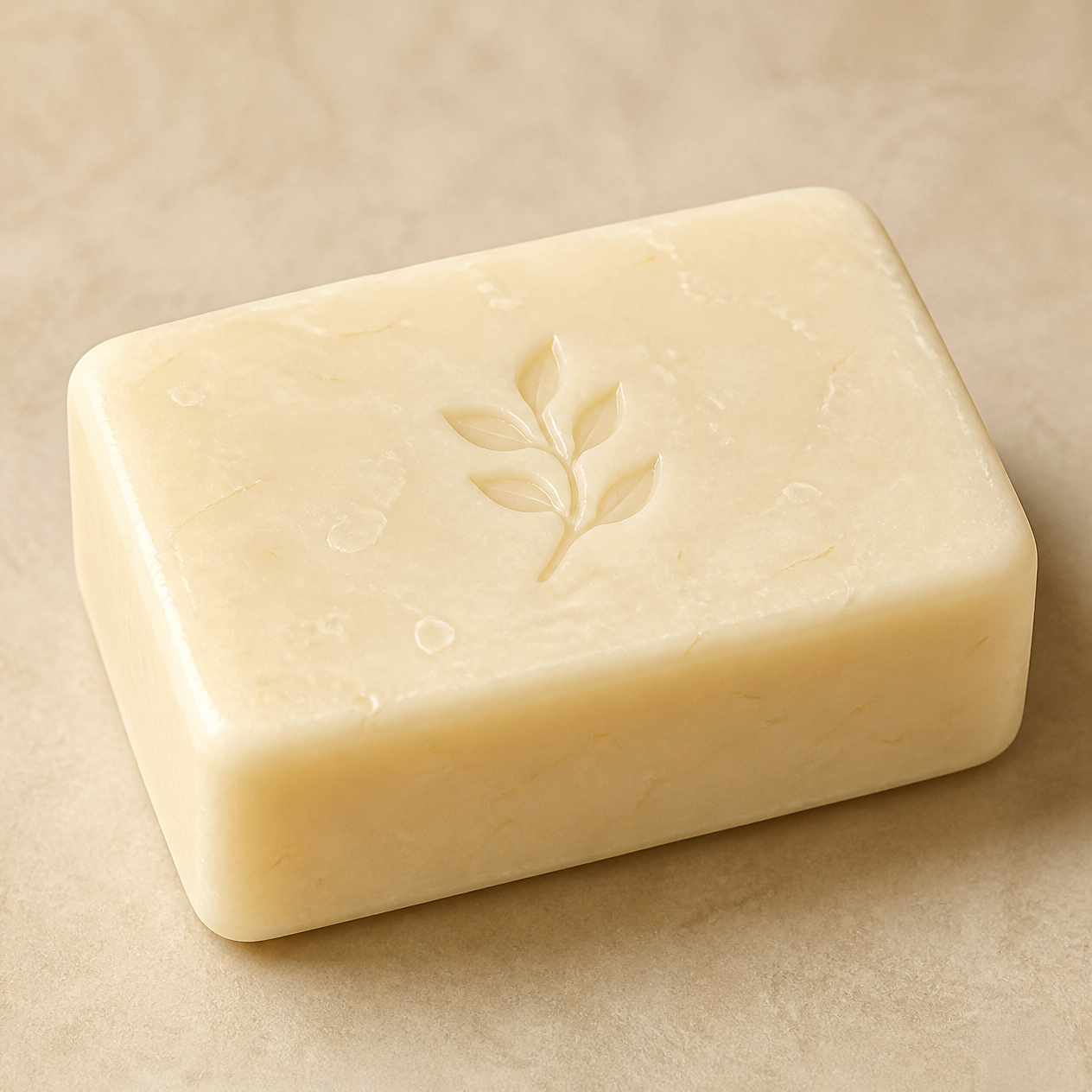
A Simple Tallow Shampoo Bar Recipe
Last year during hunting season, we talked about how to render tallow, whether it's from deer or elk, or domestic animals like cows. You can find that article here. Today we are going to discuss a great way to use that tallow. Before store shelves were filled with complicated lotions, conditioners, and beauty products, people relied on natural ingredients to nourish and care for their skin and hair. One of those traditional ingredients that is making a comeback is tallow!
Tallow has been used for generations in homemade soaps, salves, and skin creams. It is inexpensive to make (especially if you render your own), stores well, and is a wonderfully versatile ingredient to keep on hand.
Let's take a look at why tallow has become such a popular ingredient in natural skincare and how you can make your own tallow cleansing bar at home.
Disclaimer: This post contains affiliate links. This means I may earn a commission should you choose to sign up for a program or make a purchase using my link at no additional cost to you. I only promote products I love, and you will love them too!
Why Use Tallow on Your Skin?
Tallow is rendered animal fat, most commonly from beef suet. While it might seem like an unusual ingredient to put on your skin, its natural fatty acid composition makes it an interesting option for skin and hair care.
Here are a few reasons people love using tallow:
1. Helps Moisturize Dry Skin
Tallow contains fatty acids that help soften the skin and reduce moisture loss. Its rich, emollient properties make it especially appealing for people dealing with dry, rough, or weather-worn skin.
2. Supports the Skin Barrier
The fatty acids in tallow help condition the skin and support its natural protective barrier. This can be particularly helpful when skin becomes dry from cold weather, frequent washing, or exposure to the elements.
3. Naturally Rich in Fat-Soluble Vitamins
Tallow contains small amounts of fat-soluble vitamins, including vitamins A, D, E, and K. The exact amounts depend on the animal's diet and how the fat is processed.
4. Simple Ingredients
One of my favorite things about homemade tallow skincare is knowing exactly what goes into it. You can skip the long ingredient lists, artificial fragrances, and unnecessary additives.
Make beautiful Herbal soap creations at home with this excellent guide.
What About Using Tallow on Your Hair?
Tallow isn't just used for skin! Some people also experiment with using small amounts in their haircare routines. I myself went through a phase where my hair was so damaged and dry it broke at the same level for years, and I could not grow it back out. Now, with improved health and extra nourishment from my tallow soap, my hair is much healthier and growing longer. Woohoo!
Because tallow is rich in fatty acids, it can act as an emollient, helping coat hair strands and reduce friction. This may help hair feel softer and smoother.
Some potential uses include:
Dry hair: A very small amount can help soften dry hair ends.
Frizz control: Its oily consistency can help smooth flyaways.
Scalp conditioning: Some people use tallow as a pre-wash scalp treatment, although it isn't a proven treatment for scalp conditions or hair growth.
Keep in mind that tallow is quite heavy. A little goes a long way, and too much can leave your hair greasy and difficult to wash out.
Simple Homemade Tallow Cleansing Bar
If you are interested in incorporating tallow into your homemade body and haircare routine, making a traditional tallow soap bar is a great place to start.
This is a very simple recipe using just a few ingredients. One important distinction: traditional soap bars are alkaline and are not the same as modern pH-balanced shampoo bars. They can leave residue or make some hair feel rough, especially in hard water. I recommend using this recipe primarily as a cleansing bar rather than a regular shampoo.
Ingredients
Makes approximately 5–6 small bars.
450 grams tallow (rendered and strained)
50 grams castor oil
66.5 grams sodium hydroxide (100% pure lye)
150 grams distilled water
The lye quantity is calculated for approximately 5% superfat. Always verify the calculation with a trusted soap calculator before making your batch, particularly if substituting ingredients.
You can substitute a melt-and-pour soap if you are not comfortable working with lye just yet.
Supplies
Digital kitchen scale
Stainless steel or heat-safe plastic containers
Silicone soap mold
Immersion blender
Silicone spatula
Thermometer
Safety goggles and chemical-resistant gloves (If working with lye)
Step-by-Step Instructions
This kindle eBook has over 150 fun and creative soap recipes to try.
Step 1: Prepare Your Workspace
Work in a well-ventilated area, away from children and pets. Put on safety goggles, gloves, and protective clothing. Lye is caustic and can cause serious burns.
Step 2: Prepare the Lye Water
Carefully measure your distilled water into a heat-safe container.
Slowly add the sodium hydroxide to the water while stirring. Always add lye to water, never water to lye!
The mixture will heat up and release fumes. Avoid breathing them in and allow the mixture to cool in a safe location.
Step 3: Melt the Tallow
Place your rendered tallow in a stainless steel pot or heat-safe container. Gently melt it until completely liquid.
Add the castor oil and stir to combine.
Allow the oils to cool to approximately 100–110°F.
Step 4: Combine the Ingredients
Once the lye solution and oils have cooled to similar temperatures, slowly pour the lye solution into the melted oils.
Use an immersion blender in short bursts, alternating with stirring, until the mixture reaches light trace. This means it has thickened enough that a drizzle leaves a faint mark on the surface.
Step 5: Pour Into Your Mold
Pour the soap mixture into your silicone molds. Gently tap the molds to release any trapped air bubbles.
Cover lightly and leave undisturbed for 24–48 hours.
Step 6: Unmold and Cure
Once the bars are firm enough, remove them from the molds.
Place them on a drying rack in a cool, well-ventilated area. Allow them to cure for 4–6 weeks before use.
This curing period allows excess water to evaporate and the bars to become harder and longer-lasting. It does not replace proper lye calculations or soapmaking safety.
Learn other amazing ways to use Tallow here
A Few Final Thoughts
I love finding simple ways to use traditional ingredients around the homestead. Whether you are rendering your own tallow, making homemade salves, or experimenting with natural soaps, it is satisfying to create useful products with ingredients you already have on hand.
Tallow is an especially versatile ingredient, and learning to use it can open the door to all sorts of homemade skincare projects.
If you are just getting started, a simple tallow soap or body balm is a wonderful place to begin!